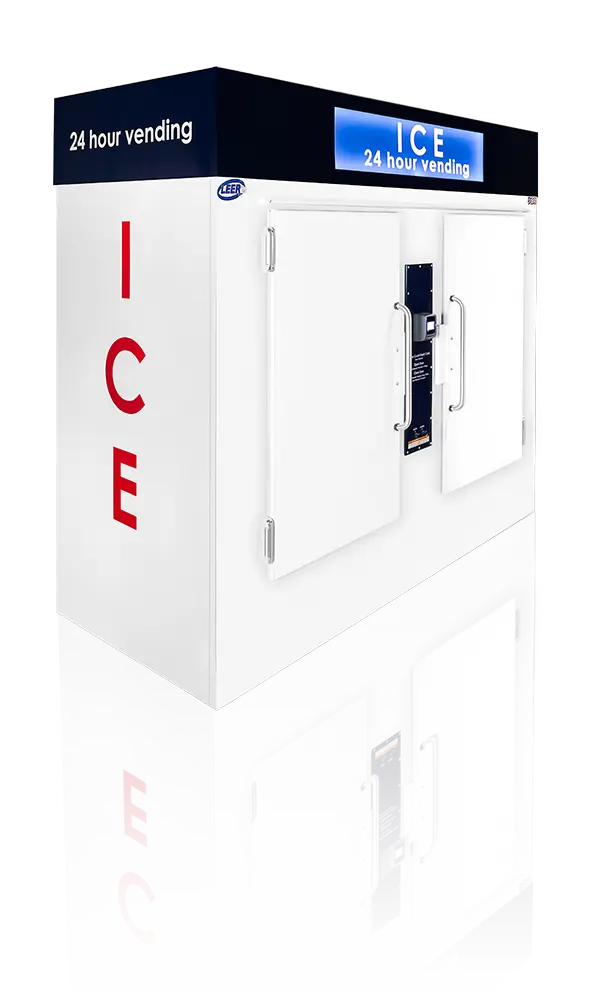
Eco-Friendly Refrigeration
The future is here
R290 is now Leer’s standard refrigerant — high-performance, ultra-low GWP, and compliant in all 50 states.
R290 Fits the Way Leer Builds
Built for What Comes Next
Leer is always looking for ways to improve how our products perform, last, and support the customers who rely on them. The transition to R290 was part of that same mindset. With stronger thermal conductivity for refrigeration performance and a dramatically lower Global Warming Potential than previous refrigerants, R290 became a natural fit for the way Leer builds: practical, forward-looking, and focused on long-term value.
ODP — Ozone Depletion Potential, relative to R11. Lower is better.
GWP — Global Warming Potential, relative to CO₂. Lower is better.
Thermal Conductivity — ability to transfer heat (Btu/hr-ft-°F, via ASHRAE). Higher is better.
Three Refrigerant Changes Since 1952
Better Refrigeration. Lower Global Impact.
Since Leer began manufacturing Ice Merchandisers in 1952, there have only been three changes in refrigerants.
Each transition reflects the same long-term approach:
- Improve performance
- Support changing standards
- Build products around refrigerant choices made to last
R290 represents the clearest step forward yet, with stronger thermal conductivity for heat removal and a dramatically lower Global Warming Potential than previous refrigerants.
Leer begins manufacturing Ice Merchandisers
R134a
R404a
R290 introduced into the product line
Introduced after major updates to production, inventory, process planning, and manufacturing requirements.
Full transition to R290
R290 becomes the exclusive refrigerant for Leer Ice Merchandisers and Ice Vending Machines.
Federal compliance deadline
Federal restrictions begin for many products using high-GWP HFCs. Leer’s R290 lineup is already aligned.
Motivations for Change
Why R290 Became the Standard
REASON 1
High performance
- Higher thermal conductivity helps remove heat more efficiently
- Lower high-side compressor pressures help support long-term compressor performance
- No temperature glide supports consistent operation and premium ice condition
REASON 2
Lower Impact
- Natural hydrocarbon refrigerant
- Ultra-low Global Warming Potential
- Zero Ozone Depletion Potential
- Broad commercial acceptance for long-term refrigeration use
REASON 3
Built Compliant
- Meets the federal GWP threshold of 150
- Supports compliance with CARB and state-level refrigerant regulations
- Gives customers a refrigerant platform aligned with current U.S. and Canadian requirements
Regulatory Confidence
Built Ahead of Changing Standards
R290 gives Leer customers more than strong refrigeration performance and lower environmental impact. It also aligns with the direction federal and state regulations have moved.
As the commercial refrigeration industry shifted away from higher-GWP refrigerants, Leer had already completed its transition to R290 for Ice Merchandisers and Ice Vending Machines.
For customers, that means less uncertainty and a refrigerant platform built around current requirements and long-term lower-GWP direction.
R290 FAQs
Everything you need to know
What service and replacement parts will be available for R290 systems?
Leer will continue to provide service and replacement parts for R290 systems. Replacement parts should be approved for the specific refrigerant system and installed according to Leer service documentation.
Is there an R290 Service & Repair Guide?
Yes. Use the R290 Service & Repair Guide and How-To Service Video for service procedures, safety guidance, and repair information.
Is the compressor warranty the same on R290 systems?
Yes. R290 systems include the same 5-year compressor warranty.
Do you need specialized training to service R290?
Leer recommends that maintenance and service be performed by trained, qualified refrigeration technicians familiar with hydrocarbon refrigerants and proper R290 service procedures.
What is R290 refrigerant?
R290 is refrigeration-grade propane. It is a natural hydrocarbon refrigerant used as a lower-GWP alternative to traditional HFC refrigerants in cooler and freezer applications.
How does this impact units already in the field?
Existing units in the field are not affected by the R290 transition. No refrigerant-related changes are required to units already in operation, and Leer will continue to support service and replacement parts.
Can I retrofit my R404a unit to be compatible with R290?
No. R290 is approved for use in equipment specifically designed and manufactured for R290. Existing R404a units should not be retrofitted to use R290 refrigerant.
Which agency approvals will an Ice Merchandiser using R290 refrigerant have?
Ice Merchandisers using R290 refrigerant are DOE compliant and UL listed. NSF certification is available upon request.
How does this affect how my unit runs?
For everyday operation, customers should not notice a major change. R290 units are designed to look and operate like previous Leer Ice Merchandisers, with refrigeration components built specifically for R290 and labeling that identifies the unit as using a natural refrigerant.
Will R290 change electrical requirements?
Not significantly. Electrical requirements and amp draw are not expected to change in a meaningful way because of R290. Always review the product spec sheet for model-specific electrical information.
Is R290 flammable?
Yes. R290 is classified as a flammable refrigerant, but Leer R290 systems use a small refrigerant charge inside a sealed refrigeration system. R290 units are designed and tested to applicable safety standards, and service should be performed by qualified technicians following proper R290 procedures.
How much R290 refrigerant is used?
Leer Ice Merchandisers use a small refrigerant charge, typically between 3 oz. and 5.25 oz., depending on the size of the unit. The exact refrigerant type and charge amount are listed on the unit’s serial tag.
Are there any storage, handling, or transportation requirements to be aware of?
Finished Leer Ice Merchandisers using R290 do not require special warehousing, handling, or transportation beyond standard product handling. Service and repair work should follow R290 safety procedures.
How do I know if my unit contains R290 refrigerant?
The Leer serial tag identifies the refrigerant type and charge amount used in the system.
R290 units also include labels on the unit and packaging noting the use of flammable refrigerant.
More Information
Resources
Any additional questions?
HFC-Free Foam
Lower Impact. Built In.
Some of the most important product improvements are the ones customers may never see. Foam insulation is one of them.
Leer uses foamed-in-place insulation to help temperature-controlled products hold temperature, protect product condition, and support long-term performance. By transitioning to HFC-free foam, Leer reduced environmental impact while continuing to support the insulation performance customers expect from our products.
Like the move to R290 refrigerant, the transition to HFC-free foam reflects the way Leer builds:
- Improve performance
- Support changing standards
- Build products around refrigerant choices made to last
ODP — Ozone Depletion Potential, relative to R11. Lower is better.
GWP — Global Warming Potential, relative to CO₂. Lower is better.
Thermal Conductivity — ability to transfer heat (Btu/hr-ft-°F, via ASHRAE). Higher is better.
Inside the Insulation
Why Foam Matters
HFC-free foam is part of the insulation system inside Leer temperature-controlled products. During manufacturing, blowing agents help the foam expand, harden, and create the air pockets that support insulation performance.
That insulation matters because it helps products hold temperature, protect what is stored inside, and reduce the strain placed on the refrigeration system over time.
Better Materials. Better Direction.
Why HFC-Free Foam Fits the Way Leer Builds
Lower Environmental Impact
HFC-free foam helps reduce the use of blowing agents associated with higher global warming impact.
Zero Ozone Depletion Potential
HFO technology supports foam insulation without contributing to ozone depletion.
Strong Insulation Performance
Leer made the transition without backing away from the product performance customers expect from our temperature-controlled solutions.
Strong Insulation Performance
Leer made the transition without backing away from the product performance customers expect from our temperature-controlled solutions.
Across the Lineup
Products Built with HFC-Free Foam
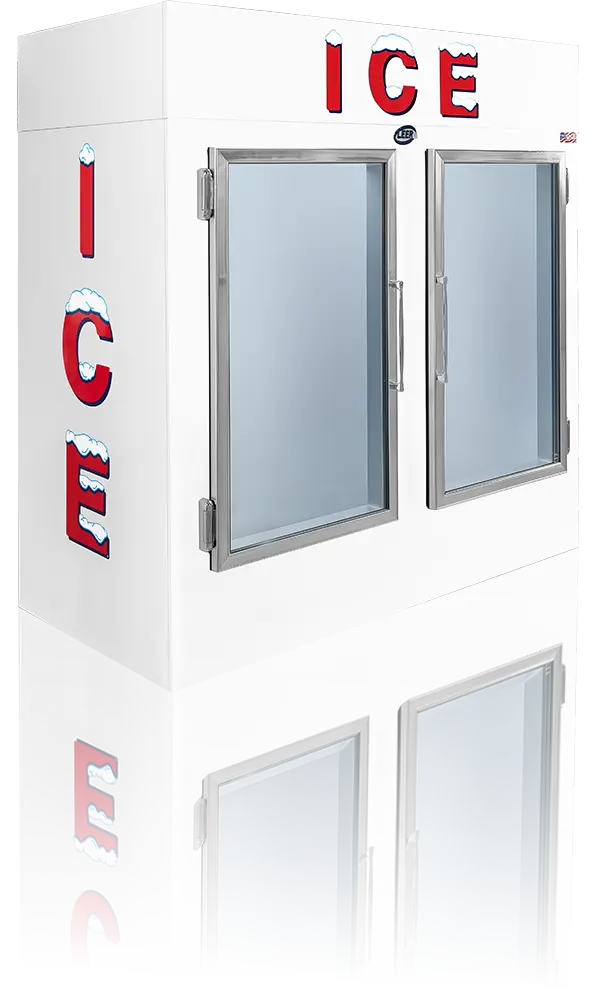
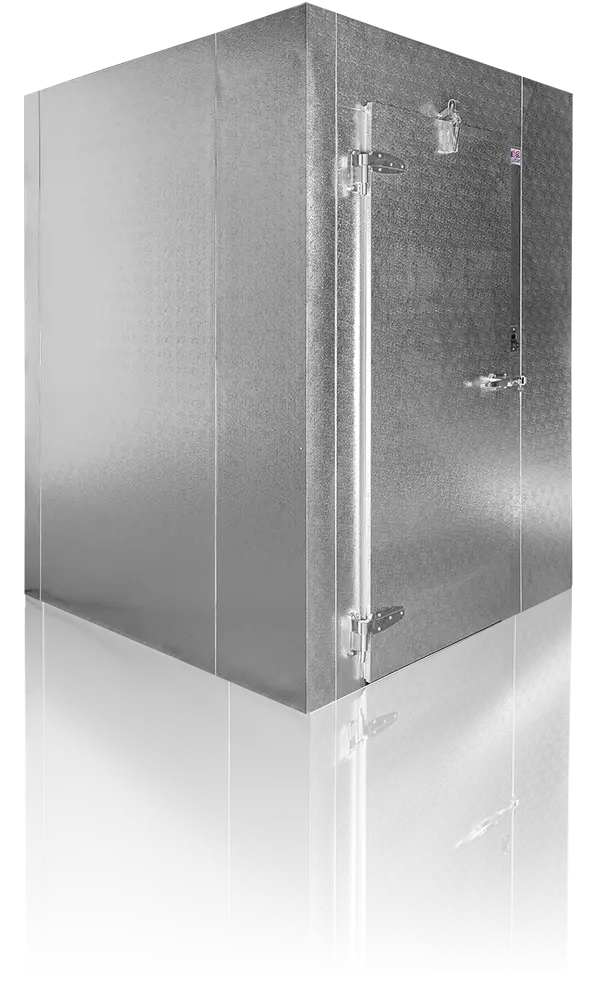
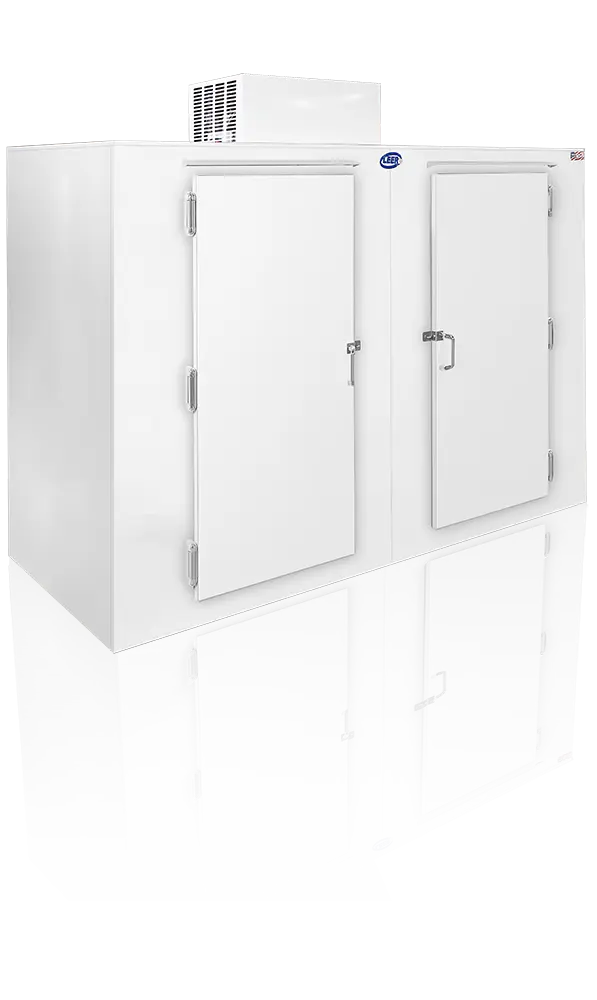
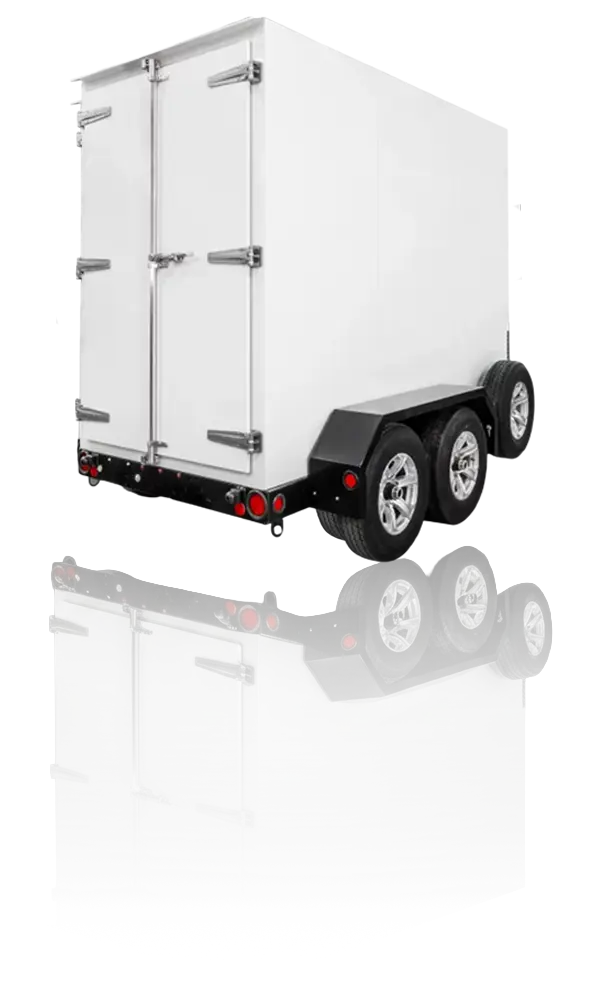
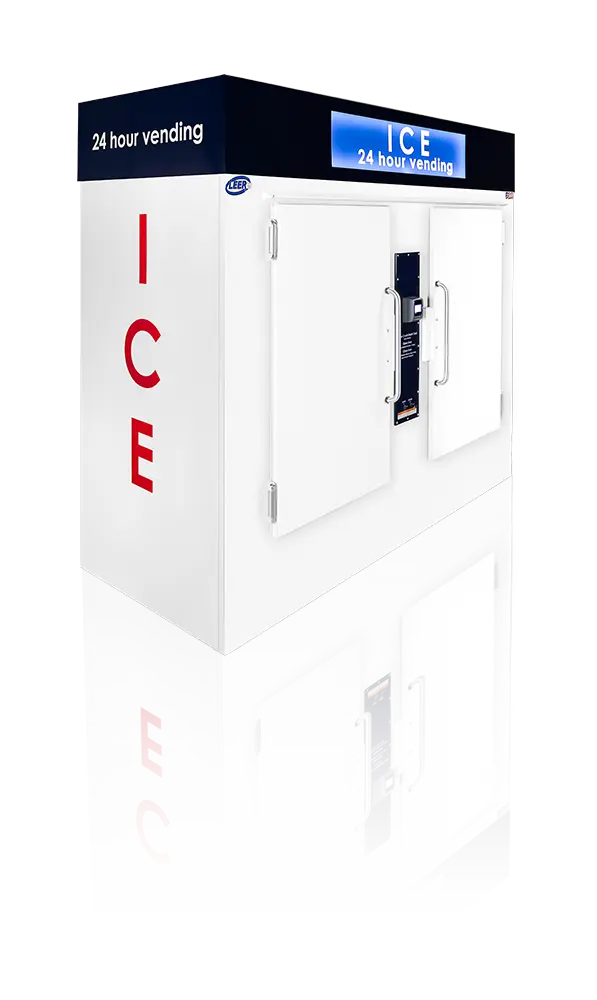
Leer uses HFC-free foam across key temperature-controlled product lines, including:
Cooling Without Compromise
Better Choices Built In
HFC-free foam is not something customers need to manage, select, or think about after purchase. It is simply built into the product.
That is the point. Leer continues to improve the materials, systems, and construction details behind our temperature-controlled solutions so customers can rely on products built for performance, responsibility, and long-term value.